



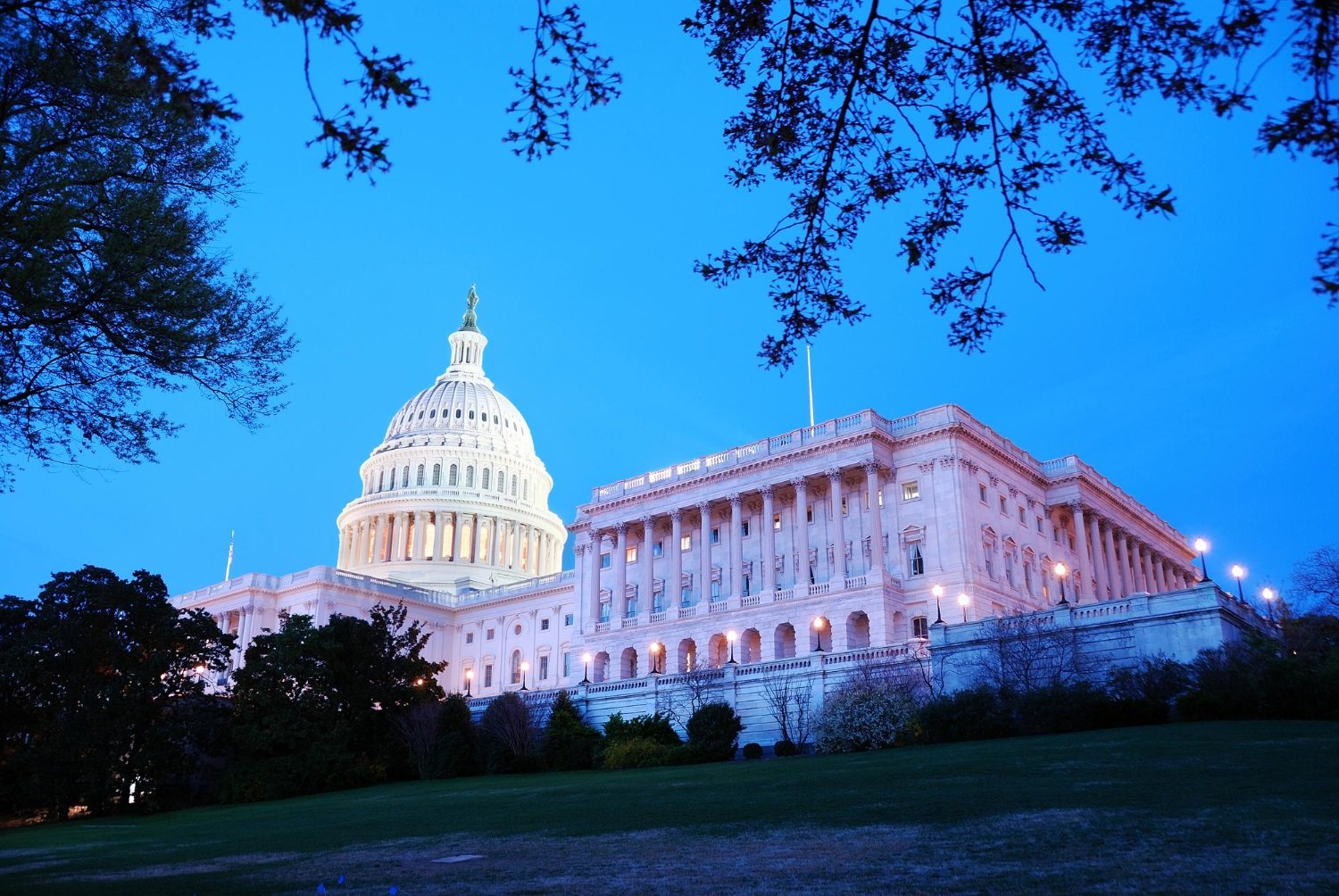
The U.S. CLARITY Act stablecoin bill delay has become a focal point in ongoing debates over cryptocurrency regulation in the United States, as mounting resistance from banking institutions threatens to push the legislation’s timeline from April into May. Originally expected to move quickly, the bill now faces procedural uncertainty due to competing priorities on Capitol Hill and intensifying lobbying efforts to reshape key provisions on stablecoin yields.
At the center of the delay is the scheduling pressure within the Senate Banking Committee, which must decide whether to advance the bill for markup. However, the legislative calendar is already crowded, particularly with the confirmation hearing for Federal Reserve chair nominee Kevin Warsh, making it increasingly likely that the review process will be postponed. This timing challenge has compounded the broader policy disagreements, further slowing momentum for what was once considered a landmark step toward crypto market clarity.
A major source of friction comes from banking groups, including the American Bankers Association, which have strongly opposed provisions allowing yield-bearing stablecoins. These institutions argue that such features could incentivize users to move funds away from traditional bank deposits, potentially draining as much as $6.6 trillion from the banking system. From their perspective, stablecoins that offer returns pose a direct competitive threat to conventional financial products, raising concerns about systemic stability and liquidity.
However, this stance has been challenged by findings from the White House Council of Economic Advisers, which released a report suggesting that the actual impact on bank lending would be minimal.
According to the analysis, banning stablecoin yields would increase lending by only about $2.1 billion, roughly 0.02% of the total $12 trillion loan market, while imposing an estimated $800 million welfare cost on consumers. This discrepancy has fueled further debate, as policymakers weigh the trade-offs between protecting traditional financial institutions and fostering innovation in digital finance.
The disagreement has spilled into the public domain, with White House Crypto Council executive director Patrick Witt criticizing banking lobby efforts, suggesting they are driven more by self-interest than by genuine economic risk. His remarks have added a political dimension to the issue, intensifying scrutiny over how much influence financial institutions should have in shaping emerging crypto regulations.
Meanwhile, Thom Tillis, a key figure in negotiating the bill’s stablecoin provisions, has acknowledged that further discussions are needed. He has even proposed hosting an in-person “crypto carnival” session involving stakeholders from across the financial and technology sectors. While such a move could help bridge gaps between competing interests, it also signals that the legislative process may take longer than initially anticipated.
Beyond the debate over yields, the CLARITY Act must still address several complex issues, including regulations for decentralized finance (DeFi), conflict-of-interest rules, and ethical guidelines for lawmakers involved in digital asset trading. These unresolved elements add layers of complexity to the bill, making consensus more difficult to achieve and reinforcing the likelihood of delays.
U.S. CLARITY Act stablecoin
The broader implications of the U.S. CLARITY Act stablecoin bill delay extend far beyond legislative timing. The ongoing conflict is increasingly viewed as a battle over the future of financial infrastructure, particularly who will control the flow of digital dollars in an evolving economy. Banks, crypto issuers, and DeFi platforms are competing to capture a share of what could amount to trillions in on-chain savings and transactions.
From a Business perspective, the outcome of this legislative effort will play a critical role in shaping the financial sector’s competitive landscape. A favorable framework for stablecoins could accelerate adoption and innovation, while restrictive measures might slow progress and reinforce the dominance of traditional banking institutions.
As the debate continues, the U.S. CLARITY Act stablecoin bill delay underscores the challenges of balancing innovation with financial stability. With powerful stakeholders on both sides and significant economic implications at stake, the path forward for stablecoin regulation remains uncertain, but undeniably pivotal for the future of global finance.