


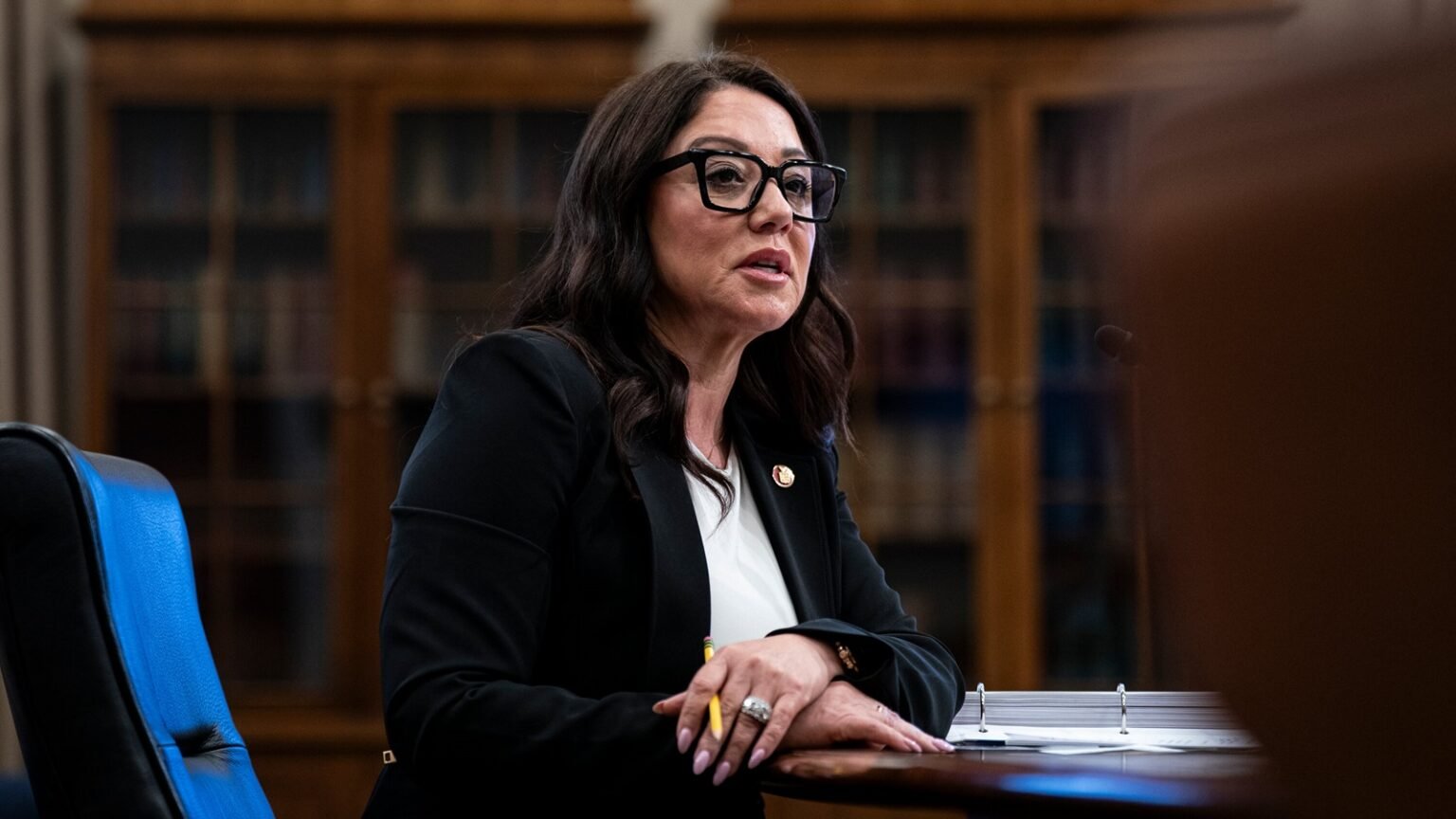
The resignation of Lori Chavez-DeRemer as U.S. Labor Secretary has sparked widespread political and public attention, marking a significant moment in the current administration. Lori Chavez-DeRemer, a key Cabinet member under Donald Trump during his second term, announced her decision to step down amid mounting controversy and internal investigations. This development places the spotlight firmly on Lori Chavez-DeRemer, making her departure one of the most discussed political events in recent weeks.
Official Announcement and Reason for Resignation
The White House confirmed that Lori Chavez-DeRemer would be leaving her post to pursue opportunities in the private sector. According to communications director Steven Cheung, Lori Chavez-DeRemer delivered strong results during her tenure, emphasizing her support for American workers, improvements to labor policies, and expansion of workforce development programs.
Despite this positive framing, the timing of her departure has led many to associate it closely with the ongoing investigation and controversy surrounding her leadership.
In her own statement, Lori Chavez-DeRemer highlighted her achievements, noting that the Department of Labor made meaningful progress in bridging gaps between business and labor. She emphasized initiatives such as job creation, workforce training in the era of artificial intelligence, and efforts to reduce prescription drug costs. These accomplishments, she argued, reflect her commitment to putting American workers first throughout her time in office.
Allegations and Investigation
The controversy involving Lori Chavez-DeRemer began earlier this year when the Department of Labor’s Inspector General, Anthony D’Esposito, launched an investigation into allegations of misconduct. Reports suggested that Lori Chavez-DeRemer may have engaged in an inappropriate relationship with a member of her security detail, raising ethical concerns. Additional claims included accusations of alcohol consumption during work hours and misuse of official events for personal purposes.
As the investigation progressed, several senior staff members connected to Lori Chavez-DeRemer were placed on leave or departed the department. Among them were chief of staff Jihun Han and deputy chief of staff Rebecca Wright, both of whom resigned under pressure. The situation escalated further when security staffer Brian Sloan stepped down rather than cooperate with investigators, and the advance team head, Melissa Robey, was dismissed following an interview with officials.
According to Politico sources familiar with the probe, investigators obtained text messages that appeared to support some of the allegations. These communications reportedly included personal exchanges and requests that raised questions about professional conduct. Media coverage intensified after reports, including those from The New York Times, brought these details into the public domain.
White House Response and Political Pressure
Initially, the White House strongly defended Lori Chavez-DeRemer, dismissing the allegations as false and politically motivated. Press secretary Karoline Leavitt publicly reiterated President Trump’s confidence in her leadership, stating that she was doing an excellent job. However, as more details emerged, the administration’s stance appeared to shift, ultimately leading to Lori Chavez-DeRemer’s resignation.
Her attorney, Nick Oberheiden, stated that Lori Chavez-DeRemer stepped down in the best interest of the American people and to prevent further distraction to the administration’s work. He also emphasized her desire to focus on her family amid the strain caused by what he described as biased allegations.
Political Background and Career
Before becoming Labor Secretary, Lori Chavez-DeRemer served a single term in Congress, where she built a reputation as a moderate voice. She later lost her seat to Janelle Bynum, which marked a turning point in her political career. Despite not being a long-time ally of President Trump, Lori Chavez-DeRemer was recommended for the Cabinet role by influential labor leader Sean O’Brien.
During her tenure, Lori Chavez-DeRemer sought to align herself with the administration’s priorities, including stricter immigration oversight and labor market reforms. She also supported controversial decisions, such as the removal of a Biden-appointed official from the Bureau of Labor Statistics, further cementing her role in shaping the administration’s policy direction.
Transition and Future Leadership
Following the resignation of Lori Chavez-DeRemer, Deputy Labor Secretary Keith Sonderling has been appointed as acting secretary. Sonderling, who previously served during Trump’s first administration, is expected to continue implementing the department’s policies while ensuring stability during the transition period.
Her departure makes Lori Chavez-DeRemer the third Cabinet member to leave during Trump’s second term, highlighting ongoing challenges within the administration. Despite the controversy, some officials have praised her contributions, particularly in reversing prior regulatory policies, expanding apprenticeship programs, and addressing economic concerns affecting American workers.
Inside Story of Stepping Down
The resignation of Lori Chavez-DeRemer underscores the complex intersection of politics, leadership, and accountability. While her tenure included notable policy achievements, the allegations and subsequent investigation ultimately overshadowed her work and led to her exit. As the situation continues to unfold, Lori Chavez-DeRemer remains a central figure in political discussions, with her legacy likely to be shaped by both her accomplishments and the controversy that led to her resignation. The developments surrounding Lori Chavez-DeRemer have also become a key topic in Spy News, reflecting the broader public interest in transparency and governance.