


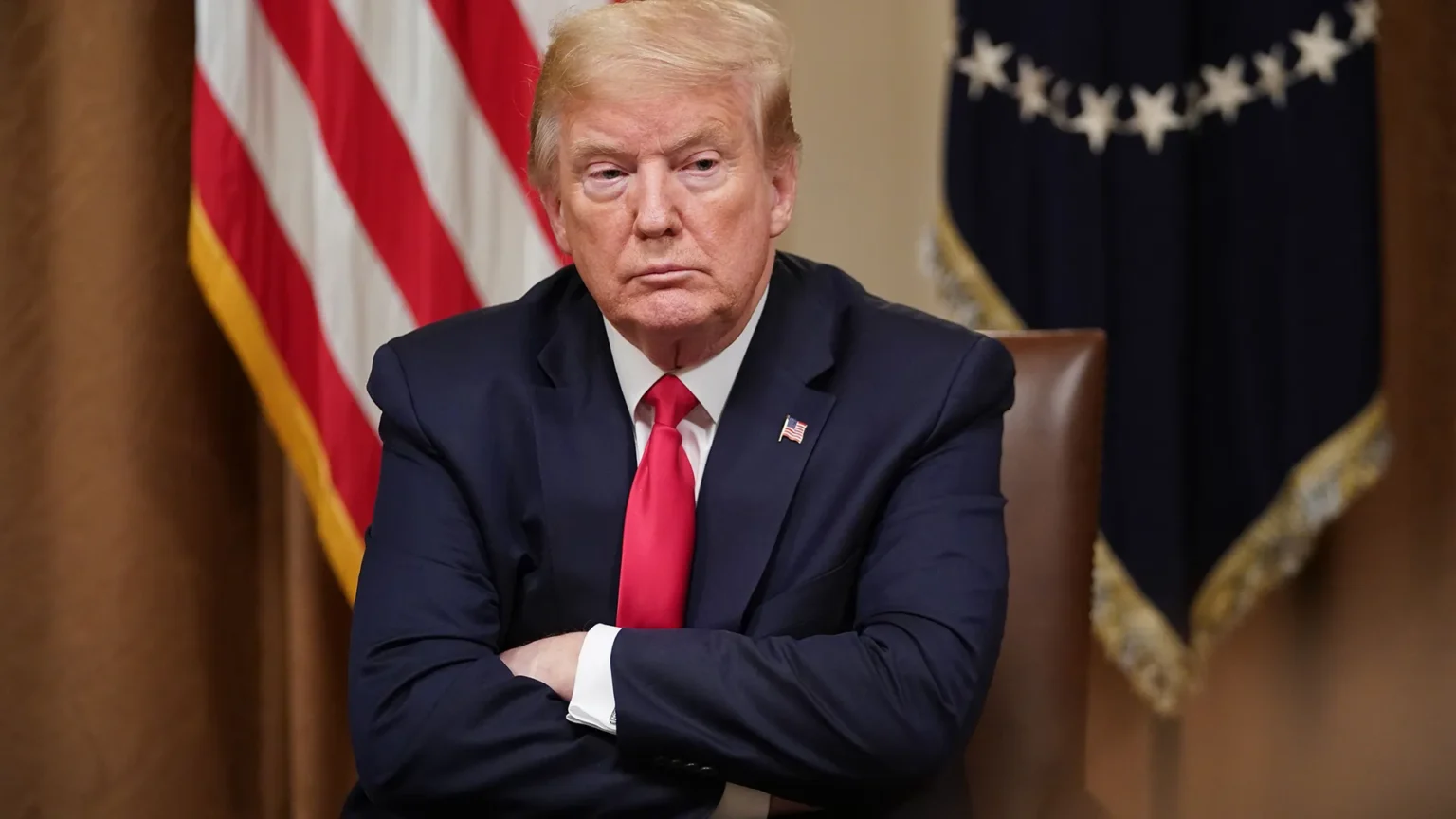
The latest developments surrounding US-Iran talks in Pakistan have placed global diplomacy under intense scrutiny, as Donald Trump confirmed that negotiations between the United States and Iran will resume on Monday in Islamabad. The announcement comes amid escalating tensions in the Middle East, where military posturing and economic pressure continue to collide with fragile diplomatic efforts.
Speaking via social media, Trump emphasized that the United States remains committed to pursuing a negotiated settlement, even as he issued stark warnings about potential military action. The continuation of US-Iran talks in Pakistan signals a critical attempt to prevent further escalation after a week marked by threats, naval confrontations, and disruptions in global oil supply chains.
The situation has been further complicated by developments in the Strait of Hormuz, one of the world’s most vital oil transit chokepoints. Trump accused Iran of violating a ceasefire agreement and targeting European vessels navigating the region. According to his statement, multiple ships were allegedly struck, prompting renewed U.S. military vigilance and a tightening blockade that has effectively halted passage through the strait.
Despite ongoing negotiations, Trump adopted a sharply aggressive tone, warning that failure to reach an agreement could result in extensive strikes on Iranian infrastructure. His remarks included threats to target power plants and bridges, raising serious concerns among international observers. Experts in international law have repeatedly warned that deliberate attacks on civilian infrastructure may constitute violations of humanitarian law, potentially amounting to war crimes under global conventions.
Energy Secretary Chris Wright defended the administration’s approach, stating that the president is leveraging maximum pressure to secure a favorable outcome. According to Wright, while some targeted infrastructure may serve civilian populations, it is also closely tied to Iran’s military capabilities. He insisted that negotiations are progressing positively despite the heightened rhetoric.
Meanwhile, the geopolitical standoff has intensified due to the ongoing U.S. blockade of the Strait of Hormuz. Iran has responded by threatening to limit further maritime traffic, a move that could deepen the global energy crisis. The economic impact is already being felt, with oil prices surging toward $100 per barrel as markets react to the uncertainty surrounding one of the world’s most critical energy corridors.
In a dramatic escalation, U.S. forces reportedly intercepted an Iranian-flagged cargo vessel attempting to bypass the blockade. The operation, carried out by the USS Spruance in the Gulf of Oman, resulted in the seizure of the ship after it allegedly ignored warnings to stop. Trump claimed that the vessel was disabled and taken into custody by U.S. Marines, further heightening tensions between the two nations.
Despite these confrontations, diplomatic channels remain open. The upcoming round of US-Iran talks in Pakistan is expected to include key American officials, including JD Vance, Steve Witkoff, and Jared Kushner. Their presence underscores Washington’s commitment to achieving a breakthrough, especially after previous negotiations in Islamabad failed to produce a lasting agreement.
Pakistan’s role as host highlights its strategic position as a neutral ground for sensitive international diplomacy. By facilitating US-Iran talks in Pakistan, Islamabad has emerged as a key mediator in a conflict that threatens not only regional stability but also global economic balance.
The stakes surrounding these negotiations are exceptionally high. With the ceasefire nearing its expiration, both sides face mounting pressure to reach a deal that can prevent a return to open conflict. Analysts note that the combination of military brinkmanship and diplomatic engagement reflects a complex strategy aimed at forcing concessions while avoiding full-scale war.
For observers following spy news of modern geopolitics, this unfolding situation represents a defining moment in U.S.-Iran relations. The outcome of the talks could shape energy markets, security alliances, and diplomatic norms for years to come.
As Monday’s negotiations approach, the world watches closely. Whether the US-Iran talks in Pakistan will lead to de-escalation or further confrontation remains uncertain. Still, one thing is clear: the decisions made in Islamabad could have far-reaching consequences well beyond the region.
US-Iran Talks in Pakistan
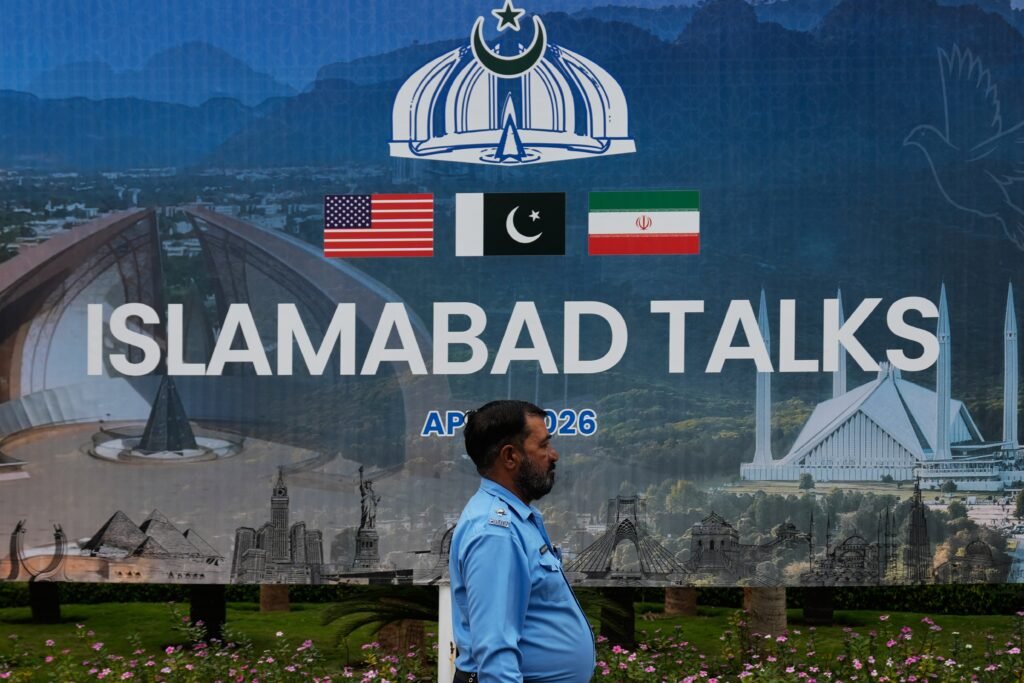
The US-Iran talks in Pakistan refer to ongoing diplomatic efforts to reduce tensions between the United States and Iran, with Pakistan serving as a key mediator. Recent negotiations are scheduled for Islamabad, where both sides aim to reach a ceasefire agreement and address major issues such as nuclear policy, regional conflict, and control of the Strait of Hormuz.
According to The Guardian, these talks come at a time of heightened conflict, with both nations accusing each other of ceasefire violations and taking aggressive actions, including naval blockades and vessel seizures. While the U.S. has expressed willingness to continue negotiations, Iran has shown hesitation and even signaled it may not participate due to disagreements over U.S. demands and ongoing military pressure.
Overall, the US-Iran talks in Pakistan are crucial for regional stability and global economic security, especially because disruptions in the Strait of Hormuz directly impact global oil supplies. The success or failure of these talks could significantly influence future peace efforts and geopolitical dynamics in the Middle East.