


Article Highlights
- Record airport delays and staffing shortages have damaged traveler confidence in the US.
- Strict and unclear immigration policies are creating uncertainty for international visitors.
- Global perception shifts and political tensions are influencing travel decisions.
- US Tourism Declined significantly in 2025, despite global travel growth.
- A gap between real travel experiences and negative perceptions continues to impact tourism.
A Growing Concern for US Tourism
The decline in US tourism has become a topic of increasing discussion as international travelers reconsider visiting the United States. Once considered one of the most attractive travel destinations in the world, the country is now facing a mix of logistical challenges, political tensions, and shifting global perceptions. These factors are collectively influencing travel behavior and raising questions about the future of inbound tourism.
Airport Delays and Operational Challenges
One of the most visible contributors to the decline in US tourism has been disruption at major airports. Recently, travelers encountered waiting times of up to four hours at security checkpoints, marking the longest delays in the history of the Transportation Security Administration (TSA).
These delays were largely triggered by an 8-week government shutdown, the longest in US history.
During this period, TSA employees went unpaid for over a month, resulting in widespread absenteeism and hundreds of resignations. Although a presidential order later restored salaries, the damage to traveler confidence had already been done.
Such operational setbacks have created an impression of inefficiency, discouraging tourists who prioritize smooth and predictable travel experiences.
Timing Couldn’t Be Worse for US Tourism
The US tourism decline comes at a particularly unfortunate time. The country is preparing to host major global events like the FIFA World Cup and the 250th anniversary of its independence in 2026. Traditionally, such occasions would significantly boost visitor numbers.
However, according to global tourism data, the United States experienced a 5.4% drop in tourism in 2025, while the rest of the world saw a 4% increase. Even more striking is the 22% decline in Canadian visitors, highlighting how neighboring markets are also pulling back.
Policy Changes and Traveler Uncertainty
Another major driver of the US tourism decline is the perception of unpredictable or strict travel policies. The presence of Immigration and Customs Enforcement (ICE) officers at airports has raised concerns among both citizens and international visitors.
Travelers worry about the possibility of detention or misunderstandings, especially given the complexity of immigration procedures. For many, the issue is not direct experience but uncertainty fueled by evolving rules and inconsistent communication.
Additionally, proposals requiring travelers from visa-free countries to disclose years of social media activity have added to the unease. Even though such policies may not yet be fully implemented, the perception alone is enough to influence travel decisions.
Changing Global Perceptions of the United States
Beyond logistics and policies, the US tourism decline is also tied to broader geopolitical sentiments. Some travelers feel that the tone of US foreign relations has shifted, making certain international visitors feel less welcome.
Business travelers and frequent visitors, especially those from Europe, have begun reassessing the need for their trips. While many still admire the country and its people, the evolving political climate has introduced hesitation.
This emotional factor plays a powerful role in tourism; it is not just about destinations, but also about how welcome visitors feel.
Real Experiences vs. Perceptions
Interestingly, US tourism professionals argue that reality often differs from perception. Many visitors who travel to the country report manageable systems and positive experiences.
Experts emphasize preparation as the key to a smooth journey. Having proper documentation, understanding procedures, and allowing extra time can significantly reduce stress. From a knowledge perspective, informed travelers tend to navigate the system more confidently and successfully.
Some improvements, such as faster customs processing systems at certain airports, are also helping to ease congestion. However, these positive developments are often overshadowed by negative headlines.
The Gap Between Anxiety and Reality
A noticeable gap exists between official assurances and traveler concerns. While authorities highlight improvements and ongoing solutions, travelers remain cautious due to past disruptions and ongoing uncertainties.
The slow pace of staffing recovery, given that training new TSA officers can take several months, means that challenges may persist, especially during major upcoming events. External factors, such as geopolitical tensions and rising airfares, further complicate the situation.
Will the US Tourism Decline Continue?
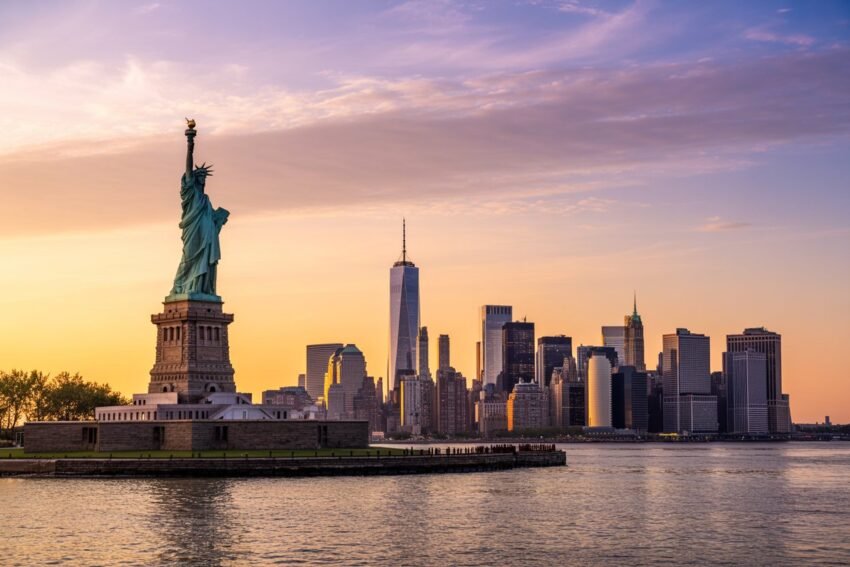
The US tourism decline is the result of a complex combination of operational issues, policy concerns, and shifting global attitudes. While the United States continues to offer world-class attractions and cultural diversity, restoring traveler confidence will require consistent policies, improved airport experiences, and stronger global engagement.
For many travelers, the appeal of America remains strong. However, until the gap between perception and reality is addressed, hesitation may continue to shape international travel decisions.